⚡️ Electric cars: saving on maintenance and repairs ⚡️
Not only are electric vehicles good for the environment, but they also provide owners with significant savings on maintenance and repair costs. Find out more about the benefits of electric vehicle servicing here.
🧰 Why servicing electric vehicles is more profitable
Electric vehicles, due to their simplified design and the absence of a traditional propulsion system, require less maintenance compared to gasoline or diesel vehicles. For example, electric cars do not need to change oil, spark plugs, fuel filters or timing belts. This not only reduces the cost of maintenance, but also reduces the time spent in service centers.
🔌 Charging system and batteries
The main components of an electric vehicle are batteries, which also require minimal maintenance. Modern lithium-ion batteries are designed in such a way that their life cycle can reach or exceed 500,000 kilometers. At the same time, the cost of their maintenance and replacement becomes more affordable every year.
💡 Maintenance
In traditional cars, the majority of maintenance costs are related to the internal combustion engine. Electric vehicles do not have such a unit, which eliminates the need for many types of maintenance.
📊 Service cost comparison table
| Service | Electric car | Traditional car |
|---|---|---|
| Change of oil | Not required | $50 – $100 |
| Replacing the air filter | $20 – $40 | $20 – $40 |
| Replacing brake pads | $70 – $150 | $100 – $300 |
| Total cost of maintenance for the year | $100 – $200 | $500 – $1000 |
📈 Savings in the long run
One of the most significant benefits of electric vehicles is their cost-effectiveness in the long run. The cost of operating an electric car, including electricity, maintenance and repairs, is 40% lower than that of cars with internal combustion engines.
🛠 Electric vehicle repair and spare parts availability
Repairing electric vehicles is, in most cases, easier and cheaper due to fewer moving parts and the high reliability of the main components. The proliferation of electric vehicles leads to an increase in the availability of spare parts, which reduces their cost and wait time for repairs.
⚙️ Innovations and software updates
Modern electric cars are often updated via software, which allows you to improve the vehicle's performance without visiting a service center. Such upgrades may include improved battery efficiency, increased power, and even improved safety features.
📝 Examples of the cost of common repairs
| Repair | Electric car | Traditional car |
|---|---|---|
| Battery Replacement | $4,000 – $7,000 | Not applicable |
| Electric motor repair | $1,000 – $3,000 | Not applicable |
| Transmission replacement | Not required | $2,000 – $4,000 |
🌱 Environmental friendliness and repair
Electric vehicles are also environmentally superior because many components wear out more slowly, reducing the need for replacement and reducing waste generation.
🌍 World experience in operating electric vehicles
In many countries, such as Germany and the United States, the use of electric vehicles is supported by government programs and subsidies, which further increases their attractiveness to consumers.
📉 Reduced energy costs
The cost of charging electric vehicles can vary significantly depending on the region, but in general it is lower than the cost of gasoline. Thanks to the development of renewable energy infrastructure, the cost of electricity is trending down.
📈 Electric Vehicle Market Analysis
The growing interest in electric vehicles in Europe and the United States is associated not only with environmental but also with economic benefits. Analysts predict continued growth in demand for electric cars, given their cost- effectiveness and reduced environmental impact.
🌏 Global trends
According to research, by 2030 the share of electric vehicles in total car sales could reach 30%. This is driven not only by efforts to reduce carbon emissions, but also by continually improving technology to make electric vehicles more affordable and easier to use.
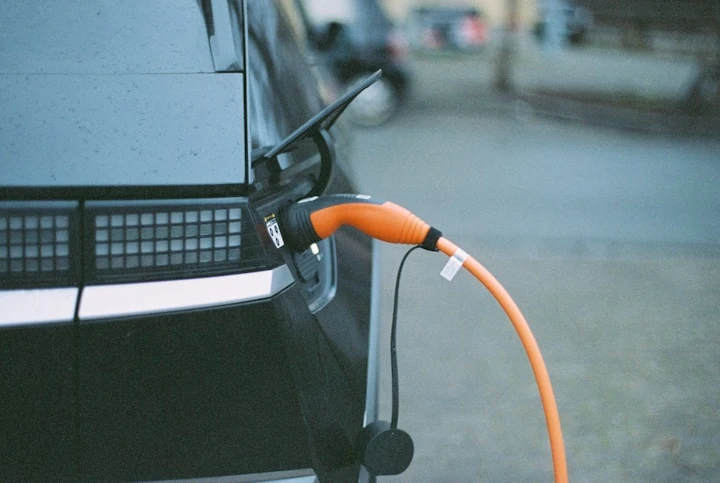
🛣 Charging station infrastructure
The development of charging infrastructure plays a key role in the adoption of electric vehicles. In countries with developed infrastructure, such as Germany and the USA, the number of charging stations is constantly increasing, making it easier to use electric vehicles over long distances.
📊 Dynamics of the electric vehicle market
| Year | Sales of electric vehicles in the world |
|---|---|
| 2018 | 2 million |
| 2020 | 3.1 million |
| 2022 | 4.5 million |
| Forecast 2025 | 8 million |
🚗 Cost of ownership comparison
A comparison of the cost of ownership of an electric vehicle and an internal combustion engine vehicle shows significant savings in favor of the former. Savings are achieved through low costs for electricity, maintenance and repairs.
💵 Examples of savings
- Fuel costs: Electric vehicle owners save on average up to 50% on costs compared to gasoline cars.
- Tax incentives and subsidies: Many countries provide tax incentives and subsidies to encourage the use of electric vehicles.
🌱 Environmental benefits of electric vehicles
Choosing an electric vehicle is not only economical, but also helps protect the environment. Reduced carbon emissions and zero emissions make electric vehicles a better option for environmentally conscious drivers.
🌿 Fewer emissions, cleaner air
Electric vehicles produce no direct emissions, which significantly reduces air pollution in the city. This is especially important for large cities, where the problem of air pollution is especially acute.
🔄 Sustainability and renewable energy
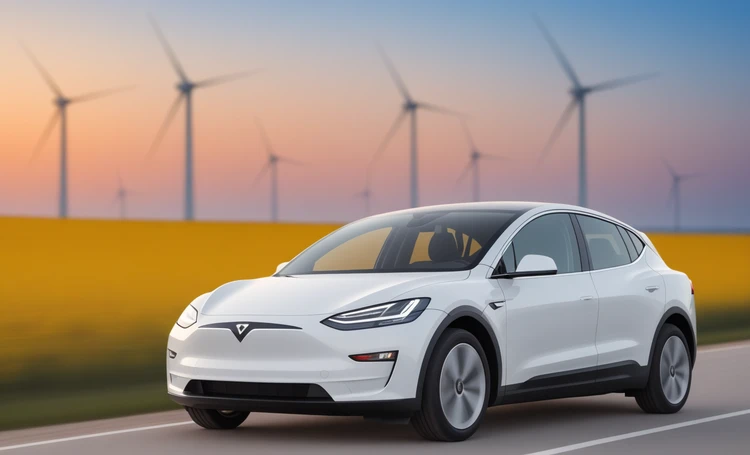
Using renewable energy to charge electric vehicles further enhances their environmental benefits. Switching to green energy can further reduce your carbon footprint.
🌐 Contribution to global sustainable development
The active adoption of electric vehicles contributes to global sustainability goals by reducing dependence on fossil fuels and maintaining a clean environment for future generations.
📌 Conclusions
Electric vehicles are not only an environmentally friendly choice, but also an economical one. Reduced maintenance and repair costs, availability of spare parts, support from government programs and subsidies, as well as the active development of charging station infrastructure make them increasingly attractive to consumers in different parts of the world. Electric vehicles not only reduce their environmental footprint, but also provide owners with significant savings in the long run.