
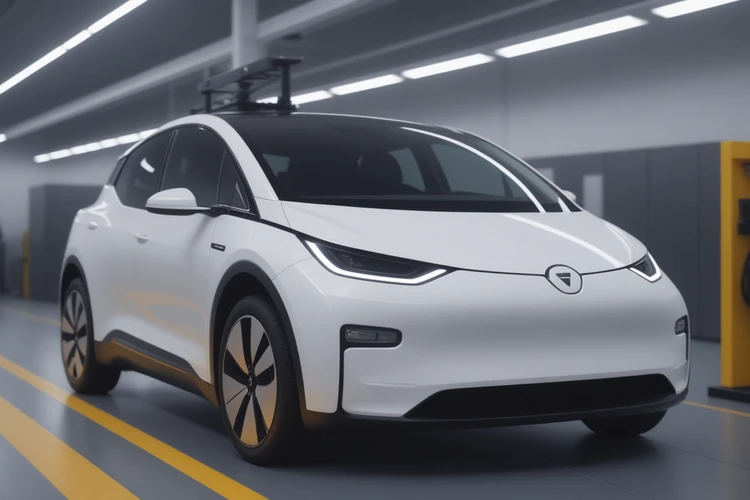
🌐🚗 Infrastructure: creating a network for exchanging traffic between cars
With the development of technology, special attention is paid to infrastructure that facilitates the efficient exchange of traffic between cars. Learn more about vehicle-to-vehicle networks here to understand how these innovations could change the future of transportation systems.
🚀 The importance of networks for traffic exchange
Definition and Goals
A car-to-car traffic network is a technological solution that allows vehicles to exchange data about road conditions, weather conditions and other important parameters in real time. The goals of such networks include:
- Improving road safety: Early detection of dangerous areas and warning of drivers.
- Traffic optimization: Reducing congestion by distributing traffic and providing alternative routes.
- Environmental sustainability: Reducing emissions through more efficient fuel use.
Technological aspects
- Integration with the Internet of Things (IoT): Vehicles equipped with sensors and connected to the network form a huge database for analysis and processing.

📡 Data transmission technologies
Data transmission systems
- V2V (Vehicle-to-Vehicle): Data exchange directly between vehicles.
- V2I (Vehicle-to-Infrastructure): Communication of vehicles with elements of road infrastructure, such as traffic lights, road signs.
Advantages and Limitations
- Benefits: Increased accuracy and timeliness of information , contributing to road safety and efficiency.
- Limitations: Requires extensive infrastructure and high technological standards for implementation.
🌍 Impact on the global transport system
Rethinking traffic flows
- Global Integration: Traffic exchange networks help create a more connected and integrated transport system internationally.
- Intelligent traffic management: The ability to analyze and manage traffic in large cities and metropolitan areas, reducing traffic jams and reducing travel time.
Potential for sustainable development
- Reduced carbon emissions: By optimizing routes and reducing time spent in traffic jams.
- Energy efficiency: The transition to electric vehicles, combined with smart infrastructure, can significantly improve the environmental footprint of cities.
Transformation of the urban environment
- Intelligent cities: Integrating traffic data into the overall city management system, creating a more comfortable and safe urban environment.
- Dynamic Response to Change: Quickly adapt to changing traffic conditions, weather conditions and emergency situations.
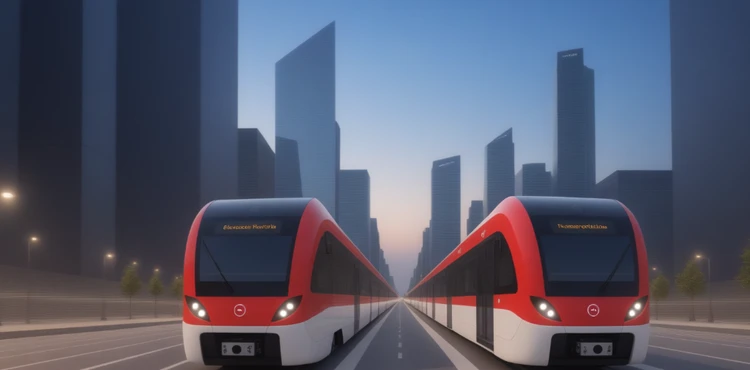
💡 Innovation and future prospects
Development of autonomous vehicles
- Autonomous vehicles: An important component of traffic exchange networks, contributing to safety and traffic optimization.
- Integration with artificial intelligence: Automation of transport management processes, big data analysis to improve traffic.
Application of artificial intelligence and machine learning
- Traffic Forecasting and Analysis: Using data to predict traffic patterns, minimize congestion, and optimize routes.
- Improved safety: Detects potential hazards and alerts drivers and control systems.
The role of traffic exchange networks in smart cities
- Coordination of different modes of transport: Creation of a harmonious and efficient transport network that combines personal and public transport.
- Adaptability and scalability: The ability to quickly change and expand the system according to the needs of the city.
🌟 Examples of successful implementation
Examples of cities with developed traffic exchange infrastructure
- Singapore: An example of a city actively implementing network technologies for traffic exchange.
- Amsterdam: Known for its innovative approaches to traffic management and the development of an intelligent transport system.
Contribution to sustainable development
- Environmental benefits: Significant reduction in greenhouse gas emissions and improved air quality.
- Improving the quality of life of city residents: Reducing noise levels, improving road safety and overall well-being.

The role of public policy and legislation
- Development of standards and norms: The need to introduce standards for data security and confidentiality in the field of traffic exchange.
- Supporting Innovation: Government funding and incentives for research and development in the field of intelligent transport systems.
Impact on socio-economic development
- Stimulating the economy: Creating new jobs, developing the technology sector.
- Improving public transport: Increasing the efficiency and accessibility of public transport, improving population mobility.
Conclusion
Car-to-vehicle networks are not only transforming transport infrastructure, but also helping to create more sustainable and comfortable urban environments. They open new horizons for safe, efficient and environmentally friendly transport systems, providing opportunities for innovation and improving the quality of life of city residents.
Traffic exchange networks can become a key element in the construction of smart cities of the future, where each element of the transport system interacts with each other, providing safe, convenient and efficient movement. This technology opens the way to a new understanding of urban space, where integration and cooperation become the basis for sustainable development and well-being of citizens.