
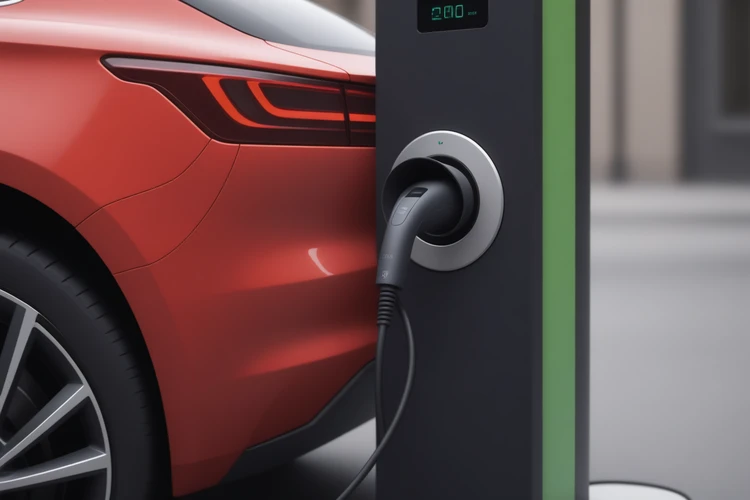
🚗🔌 Infrastructure: Creation of fast charging stations for electric vehicles
With the growing popularity of electric vehicles, the importance of fast charging stations is becoming increasingly important. Learn more about fast charging stations here to understand how they are changing the landscape of modern automotive infrastructure.
🌍 Global distribution
Increase in the number of stations
More and more charging stations are being built around the world, making the use of electric vehicles more convenient and affordable.
Main factors of distribution:
- Government support: Many countries are introducing subsidy and incentive programs for the installation of charging stations.
- Private Sector Investment: Large companies are investing in electric vehicle infrastructure.
Benefits for users
- Convenience: More stations mean drivers can easily find a place to charge.
- Reduced charging time: Modern technologies allow you to charge your car faster.
🛠️ Technological innovation
Breakthrough in charging speed
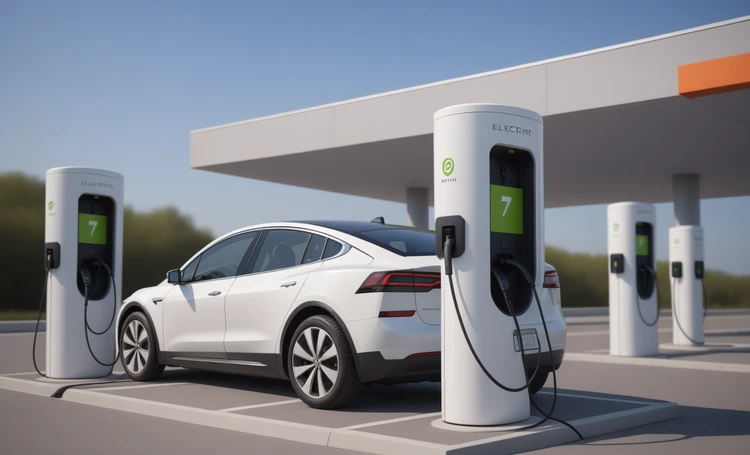
New technologies significantly speed up the charging process, making it comparable in time to refueling traditional cars.
Innovative solutions:
- Ultra-fast charging stations: Some models can charge an electric vehicle to 80% in just 20-30 minutes.
- Wireless charging: Systems are being developed that allow vehicles to be charged without a physical connection.
Infrastructure improvement
- Smart charging stations: Integration with IoT for convenient management and monitoring.
- Environmental sustainability: Uses renewable energy for charging.
💡 Impact on the environment
Reducing carbon emissions
Fast charging stations for electric vehicles help reduce CO2 emissions, as electric vehicles do not emit harmful gases into the atmosphere.
Positive changes:
- Clean air: Reducing pollution in the city thanks to electric cars.
- Green Energy: Using renewable energy to charge electric vehicles reduces your overall carbon footprint.
Sustainable development
- Environmental Awareness: Growing awareness of the importance of green technologies in society.
- Supporting green initiatives: Increasing investment in sustainable projects and technologies.
🌐 Impact on the economy
Stimulating the electric vehicle market
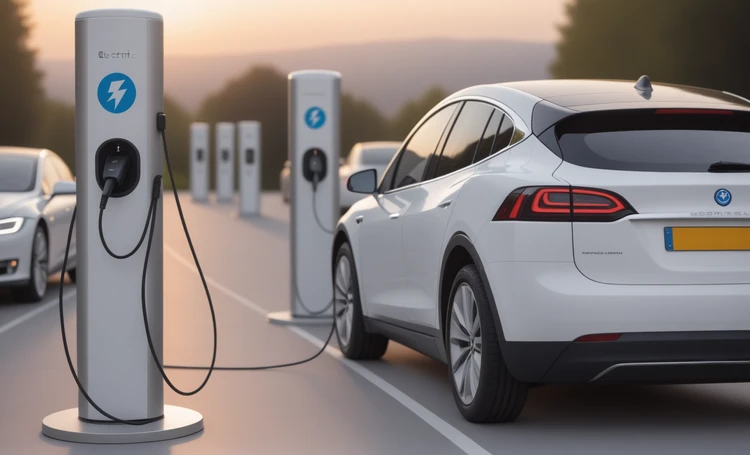
The development of charging station infrastructure directly affects the increase in sales of electric vehicles, as potential buyers feel more confident in the ease of use.
Economic benefits:
- Growth in production: Increasing demand for electric vehicles is encouraging manufacturers to expand production capacity.
- Job creation: Infrastructure development requires new skills in construction, maintenance and technology.
Impact on energy prices
- Electricity Demand: Increasing numbers of electric vehicles can impact electricity prices due to increased demand.
- Grid Investments: The need to modernize and expand electrical grids to support the increasing number of charging stations.
🚀 The future of charging stations
Integration with city infrastructure
Modern charging stations are becoming an integral part of the urban landscape, fitting into the overall development plan of urban spaces.
Directions of development:
- Multifunctional complexes: Charging stations integrated with shopping and entertainment centers.
- Smart cities: Introduction of charging stations into the concept of smart cities with a controlled energy system.
Innovation and perspectives
- Autonomous charging stations: Development of stations powered by renewable energy sources.
- Integration with home energy systems: Possibility of using charging stations as additional energy sources for the home.

📊 Market analysis
Current status and forecasts
The market for electric vehicle charging stations continues to grow, attracting more investment and research.
Statistics and trends:
- Increasing the number of stations: According to forecasts, by 2025 the number of stations will increase several times.
- Product diversification: The emergence of a variety of station models adapted to different needs.
Contribution to sustainable development
- Environmental responsibility: The development of charging stations contributes to the transition to environmentally friendly vehicles.
- Innovative Research: Investments in research and development in the field of green technologies and energy efficiency.
Strategies and Challenges
Overcoming technical and economic barriers
The development and implementation of fast charging stations requires overcoming a number of technical and financial difficulties:
- High costs: Investment in the development and construction of modern charging stations requires significant funds.
- Technical limitations: Need for improved technology to increase charging speed and efficiency.
Integration with renewable energy sources
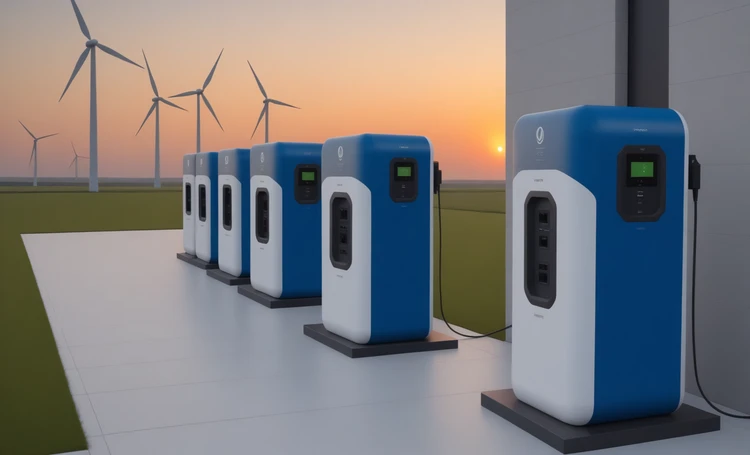
Creating charging stations powered by renewable energy is a key aspect of sustainable development.
Important directions:
- Use of solar energy: Integration of solar panels for independent operation of stations.
- Cooperation with wind energy projects: Cooperation with wind farms to provide environmentally friendly charging.
🌍 Impact on the environment
Reducing carbon emissions
Expanding the network of fast charging stations helps reduce CO2 emissions through the transition to electric vehicles.
Environmental benefits:
- Reduce Pollution: Reduce vehicle emissions by switching to electric vehicles.
- Improving air quality: Reducing air pollution in cities and towns.
Sustainable use of resources
- Efficient use of electricity: Rational distribution and use of energy, minimizing losses.
- Transition to green technologies: Stimulating the development and implementation of innovative environmentally friendly technologies.
📈 Results and prospects
Key Findings
The development of infrastructure for fast charging stations for electric vehicles has enormous potential for both the economy and the environment. This not only promotes the adoption of electric vehicles, but is also an important step towards a sustainable future.
A look into the future
- Continued Growth and Innovation: The charging market will continue to expand, offering increasingly advanced and environmentally friendly solutions.
- The importance of global collaboration: International partnerships and knowledge sharing will be key factors in the development of this industry.