
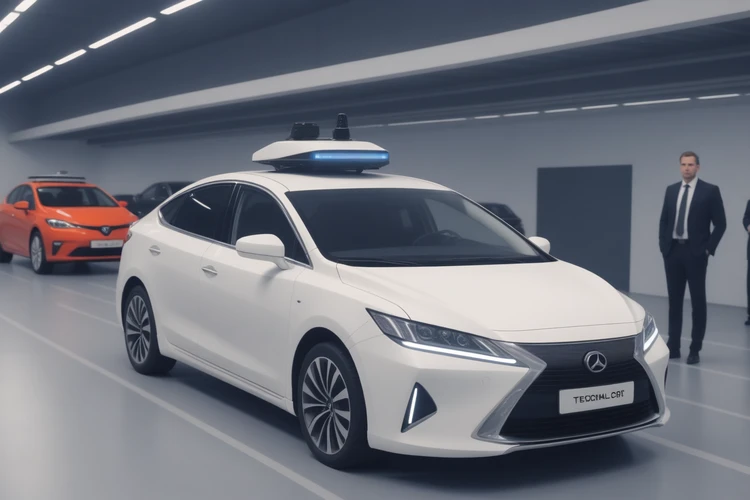
🚗 Autonomous Cars and Inspection: A Revolution in Safety and Savings
Autonomous cars are revolutionizing traditional driving, offering not only a new level of comfort, but also significant economic benefits. One key area where these vehicles can benefit is the inspection process. Find out how autonomous cars can help reduce vehicle inspection costs here.
🛠️ Reduced Inspection Costs
Increased Vehicle Reliability
Autonomous vehicles have improved reliability characteristics due to advanced technology and fewer mechanical parts, reducing the need for frequent inspections.
Reduce the Need for Repairs
Intelligent systems in autonomous vehicles can prevent many types of breakdowns and accidents, reducing the likelihood of serious technical failures.
Improved Software and Automatic Updates
Modern autonomous cars are equipped with systems that can update automatically, thereby keeping the car in optimal operating condition and reducing the need for regular technical inspections.
🚦 Improving Road Safety
Accident Prevention
Autonomous cars are able to respond in real time to changes in road conditions, thereby reducing the risk of accidents and improving the safety of all road users.
Active Safety Systems
Integrated active safety systems such as automatic braking and collision avoidance systems help prevent accidents and the associated repair and inspection costs.
Smart Traffic Management
Autonomous cars are able to coordinate their movement with other vehicles and road infrastructure, resulting in smoother and safer traffic.
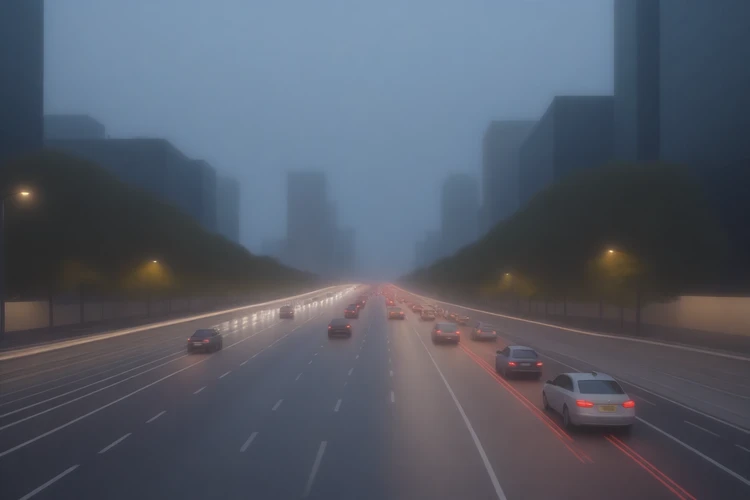
🌍 Contribution to Ecology
Emission Reduction
Autonomous cars, especially electric ones, can help reduce emissions of harmful substances into the atmosphere, thereby improving the environmental situation in cities and on roads.
Efficient Use of Energy
Thanks to optimized control and fewer accidents, autonomous vehicles use energy more efficiently, resulting in lower overall operating costs.
💡 Technological Development and Innovation
Continuous Update
Regular software updates and technological improvements give autonomous vehicles the advantage of constantly improving themselves and adapting to changing traffic conditions.
Integration with City Infrastructure
Autonomous cars can integrate with city infrastructure, which can improve traffic efficiency and reduce the burden on road services.
Development of Artificial Intelligence
Advanced AI algorithms used in autonomous cars not only improve driving safety, but also contribute to the development of new technological solutions in other areas.
📊 Cost and Savings Analysis
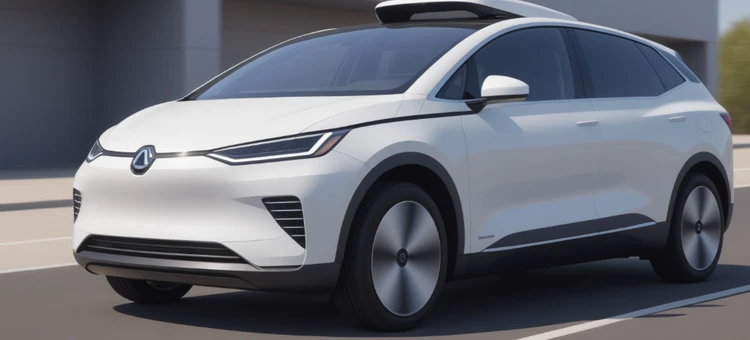
Comparative Cost Analysis
A comparison of the costs of traditional cars and autonomous cars shows that in the long term the latter can provide significant savings, including on technical inspection.
Long-term perspective
Investments in autonomous vehicles may seem significant at first, but their high efficiency and low operating costs promise payback in the long term.
Market Trends
Trends in the car market indicate a constant increase in the share of autonomous cars, which may become an incentive to reduce prices for their purchase and maintenance in the future.
📸 Integration with Innovative Technologies
Connection with Smart Cities
Autonomous cars are actively integrated with the concept of smart cities, providing more efficient and safe traffic management.
Role in the Internet of Things
The integration of autonomous vehicles with the Internet of Things opens up new opportunities for data collection and processing, which can help improve road infrastructure and services.
Innovation in Security
The development of autonomous driving technologies leads to the emergence of new methods for ensuring the safety of both the cars themselves and the space around them.
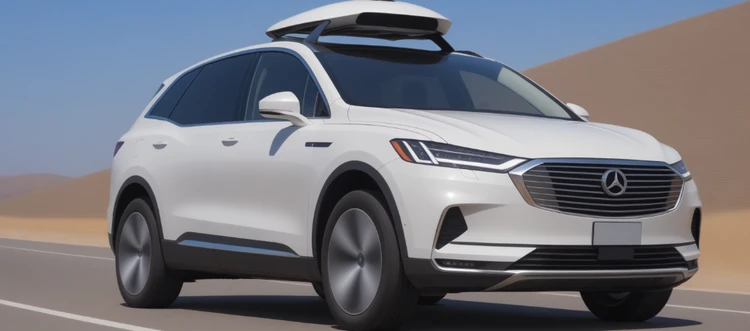
🚀 Conclusions
Autonomous cars hold enormous potential to change the way we think about driving. They promise not only improved safety and comfort, but also significant savings on aspects such as inspection and maintenance. Given technological innovations and market trends, autonomous vehicles could become a decisive factor in shaping the future of the automotive industry and traffic.