
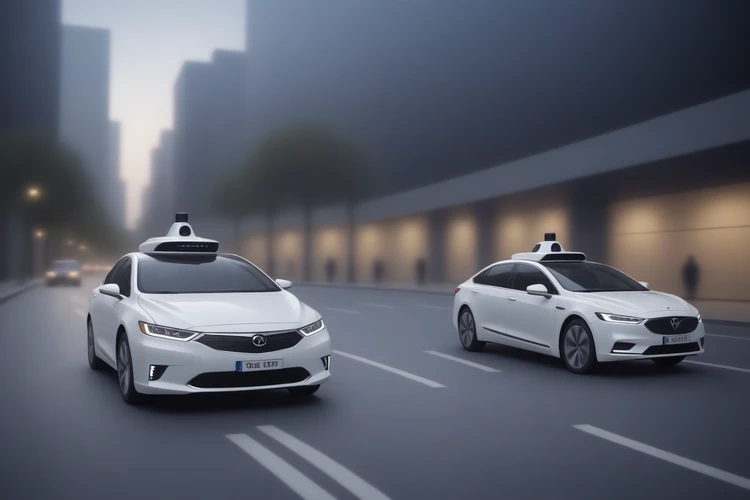
Autonomous cars: the new reality of our roads 🚗🤖
Autonomous cars are just around the corner, and read more about the impact of autonomous cars here, they promise to revolutionize our daily lives. Their influence extends far beyond a simple mode of transportation, they herald a new era in urbanization, efficiency and personal time.
🔄 Changes in life thanks to autonomy
Convenience and accessibility of movement
Autonomous cars will make moving around cities more accessible and comfortable. There will be no need for personal driving skills, which is especially important for older people and people with disabilities.
- Benefits for mobility:
- Increasing the independence of persons with disabilities.
- Reducing the load on public transport.
- Improving road safety.
Optimization of urban space
With autonomous cars, city planners will have the opportunity to rethink the use of street space, which could lead to the creation of greener and more open urban areas.
- Changes in the urban environment:
- Freeing up parking space for public areas.
- Reduced traffic jams through more efficient traffic.
- Reducing noise and air pollution a.
Job prospects and new professions
The development of autonomous vehicles will lead to the emergence of new specialties and changes in the labor market, opening up new opportunities for career growth and training.
- Impact on the labor market:
- Creation of new jobs in IT and technical services.
- Retraining of transport industry workers.
- Development of additional services related to autonomous cars.
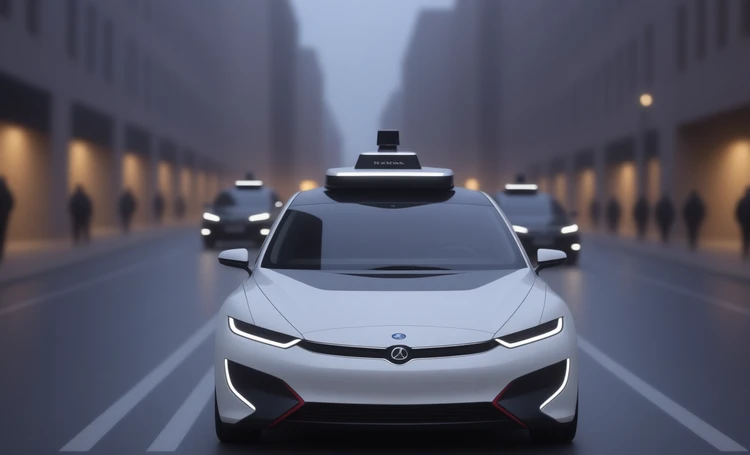
🚀 Prospects for the development of autonomous cars
Technological innovation
The development of autonomous cars is impossible without constant technological innovation. In the future, we will see improved artificial intelligence algorithms, improved accuracy of navigation systems, and improved sensors.
- Directions of technological development:
- Integration with smart city systems.
- Improvement of computer vision and data processing systems.
- Development of reliable security and emergency response systems.
Environmental aspect
Autonomous cars are usually electric or hybrid, which helps reduce emissions of harmful substances into the atmosphere and support global environmental initiatives.
- Environmental benefits:
- Reduced CO2 emissions.
- Reducing the use of fossil fuels.
- Improving energy efficiency of transport.
The introduction of autonomous cars requires not only technical improvements, but also changes in the social sphere, including legislation and public perception of new technologies.
- Social aspects:
- Updating legislation to regulate the use of autonomous cars.
- Increasing public confidence in new technologies.
- Ethical issues and responsibility in the event of an accident.
Economic benefits
Autonomous cars help reduce transport costs by reducing the number of accidents, optimizing fuel consumption and reducing insurance costs.
- Economic advantages:
- Reduce insurance and repair costs.
- Reducing travel time and, as a result, labor costs.
- Possibility of tax reduction for environmental benefits.

🎓 Education and research
Training for the new generation
Autonomous cars will require new knowledge and skills, which stimulates changes in the educational system and areas of scientific research.
- Educational trends:
- Incorporating courses on artificial intelligence and robotics into educational programs.
- Development of interdisciplinary research in the field of motor transport.
- Training of specialists in the maintenance and regulation of autonomous vehicles.
Scientific research
Research will focus on improving autonomous technology and safety, allowing for faster and more efficient deployment.
- Scientific directions:
- Study of the interaction of autonomous cars with infrastructure.
- Development of new materials and technologies to improve safety.
- Data analysis to prevent emergency situations.
💡 Innovation and creativity
Incentive for innovation
The development and implementation of autonomous cars is spurring innovation in many areas, from manufacturing to services.
- Innovation potential:
- Stimulating the development of new business models.
- Investments in related technologies and infrastructure.
- The ability to test and implement progressive ideas in real conditions.
Creativity in design and functionality
Freeing oneself from the need to drive a car opens up new horizons for designers and engineers in creating car interiors and functionality.
- Design solutions:
- Interiors focused on convenience and functionality.
- Integration of the car with other devices and systems.
- Application of new materials and technologies for passenger comfort.
Environmental aspect
Autonomous cars can have a significant impact on the environment by reducing pollution and optimizing vehicle use.
- Environmental benefits:
- Reducing emissions by optimizing routes and driving style.
- Effective use of electric vehicles as part of autonomous transport.
- Reducing the number of cars on the roads thanks to car sharing.
Implementation in urban infrastructure
For the full functioning of autonomous cars, adaptation of the city infrastructure will be required, which includes both technical and organizational changes.
- Infrastructure transformations:
- Creation of special lanes for autonomous vehicles.
- Integrating traffic control systems to coordinate autonomous vehicles.
- Development of charging stations and technical service centers.
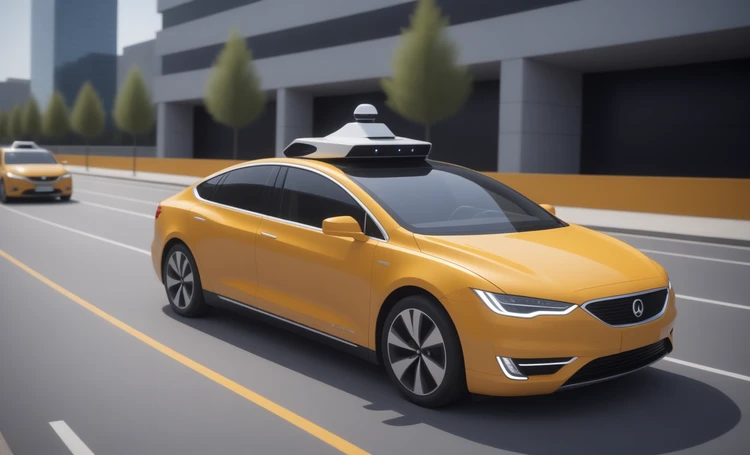
🔄 Changes in the professional sphere
New professions and skills
Autonomous cars open up the horizons for the emergence of new professions and require workers to develop relevant skills.
- Professional perspectives:
- The work of software engineers on control algorithms.
- Autonomous vehicle security and cybersecurity specialists.
- Experts in ethics and regulation in the field of autonomous vehicles.
Professions under threat
However, not all professions will benefit from the advent of autonomous cars; some may be in danger of extinction.
- Professions at risk:
- Drivers of vehicles.
- Insurance company employees involved in risk assessment.
- Employees of service stations related to the ongoing maintenance of vehicles.
📈 Results and prospects
Autonomous cars promise to bring many changes to everyday life, opening up new opportunities and posing new challenges for society.
- Conclusions:
- Autonomous cars can improve the quality of life by increasing safety and comfort of movement.
- Measures must be taken to mitigate the negative consequences, including job losses.
- The transition to autonomous vehicles will take time and the combined efforts of governments, companies and society.