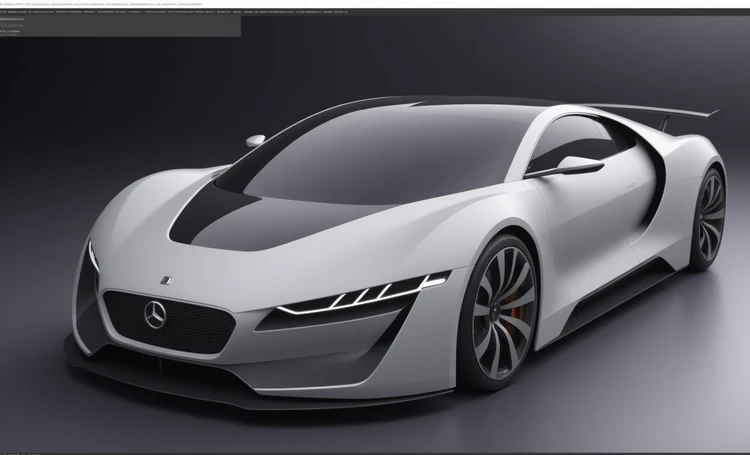

🚗 Innovation: Using 3D Printing in the Automotive Industry 🏭
Progress does not stand still, and the modern automobile industry clearly demonstrates this. Recently, 3D printing technology has been developing particularly actively, which opens up new horizons for car manufacturers. See products created using 3D printing here and learn how this technology is transforming the industry.
🔍 3D printing in the automotive industry: from idea to implementation
Historical context and current trends
3D printing, or additive manufacturing, began in the 1980s, but the real breakthrough has come in recent decades. This technology allows you to create parts with complex geometries that are not possible with traditional manufacturing methods. In the automotive industry, it opens the way for unique designs, reducing vehicle weight and increasing efficiency.
Benefits of 3D printing
The use of 3D printing in the automotive industry has many advantages:
- Reduced production time: With 3D printing, prototypes and final components can be quickly created, significantly speeding up the development process.
- Reduced Costs: Savings on materials and labor make production more economical.
- Improved quality and precision: The precision of 3D printing allows for the creation of complex and high-quality components.
- Personalization: The ability to customize the design and characteristics of parts to specific requirements.
Examples of using
Many famous automakers such as BMW, Audi and Mercedes-Benz are actively introducing 3D printing into their production lines. For example, BMW uses this technology to produce interior and exterior parts, as well as to create customized components for its customers.

📈 Impact on the market and economy
Market transformation
3D printing technology is not just changing production processes, but also transforming the automotive industry market itself. It allows small companies and startups to compete with large players by offering innovative solutions and personalized products. This technology also contributes to the growing demand for design engineers and specialists in the field of additive technologies.
Economic impact
3D printing has a significant economic impact by reducing production costs and increasing production efficiency. Lower material and labor costs and the ability to produce locally reduce overall costs and promote sustainability.
Impact on sustainable development
The use of 3D printing in the automotive industry also contributes to sustainable development. This technology allows us to minimize production waste and use environmentally friendly materials, which reduces the impact on the environment.
🚀Innovative trends and the future of 3D printing
New horizons and technological advances
The future of 3D printing in the auto industry looks promising. Research and development in this area continues, opening up new opportunities to create even lighter, stronger and more fuel-efficient vehicles. Work is also underway on printing using a variety of materials, including metals and composites, which allows for the creation of even higher quality and durable parts.
Prospects for integration with other technologies
One promising area is the integration of 3D printing with other innovative technologies, such as artificial intelligence and robotic production lines. This will further automate and optimize the car production process.

Examples of innovative projects
An example of the innovative use of 3D printing is Local Motors, which created the world's first fully 3D printed car, the Strati. Such projects demonstrate the enormous potential of additive technologies in automobile construction.
🌍 Global influence and cases from different countries
Contribution to the global auto industry
3D printing is actively used in the automotive industry around the world. In the USA, Germany, Japan and other countries, leading auto manufacturers are integrating this technology into their production processes, setting new standards for quality and innovation.
International cooperation and knowledge exchange
World leaders in the field of automotive manufacturing and 3D printing are actively collaborating and exchanging knowledge and experience. This contributes to the development of new technologies and increased efficiency of production processes at the international level.
Specific examples from different countries
In Germany, Volkswagen uses 3D printing to create customized components and parts. In the US, Ford is exploring the possibilities of additive manufacturing to create lighter, stronger automotive parts. These examples highlight the global importance of 3D printing in the modern automotive industry.
📈 Market analysis and economic forecasts
Growth of the 3D printing market in the automotive industry
Analysts predict significant growth in the 3D printing market in the automotive industry in the coming years. This is due to increased demand for customized automotive components and the need to reduce production costs.
Contribution to economic development
The adoption of 3D printing in the auto industry contributes to economic development by reducing production time and costs, as well as creating new high-tech jobs.
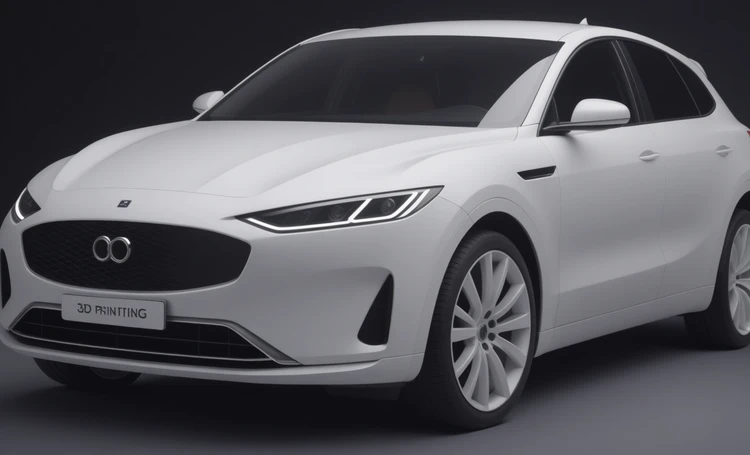
Statistics and forecasts
According to industry research, the 3D printing market size in the automotive industry could reach several billion dollars in the near future, highlighting the importance of this technology to the industry.
🛠️ Practical application and cases
Real life examples
3D printing has practical applications in various aspects of the auto industry. Manufacturers use this technology to create prototypes, specialized tools, parts, and even entire vehicles.
Table of applications of 3D printing in the automotive industry
| Application | Advantages | Examples |
|---|---|---|
| Prototyping | Reduce time and costs | Creating layouts of new models |
| Personalization | Meeting Specific Requirements | Personalized Components |
| Spare parts | Fast and precise production | Manufacturing of rare parts |
Innovative use cases
BMW uses 3D printing to create unique interior and exterior parts. Bugatti is also known to use this technology to produce complex engine components, increasing the efficiency and performance of its cars.
🌟 Conclusions and future prospects
Results of the use of 3D printing in the automotive industry
3D printing has already had a significant impact on the automotive industry, providing new opportunities for innovation, cost reduction and speeding up production processes. This technology paves the way for more personalized and sustainable vehicle production.
The Future of 3D Printing in the Automotive Industry
In the near future, we can expect further development and integration of 3D printing in the automotive industry. This will contribute to the creation of even more innovative, environmentally friendly and cost-effective automotive solutions.