
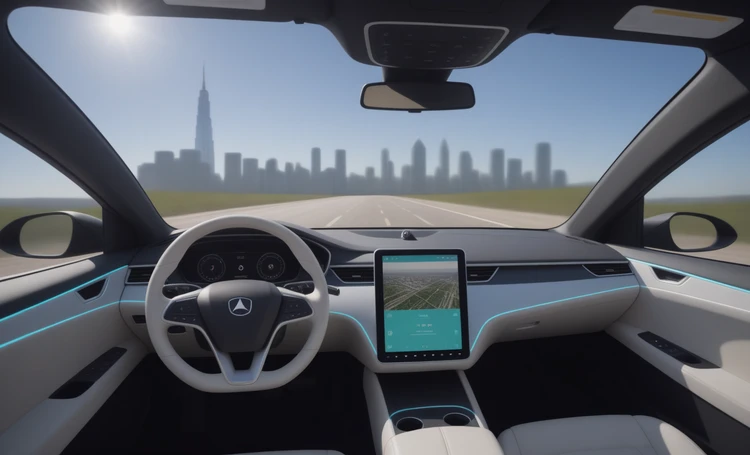
Autonomous cars: from dreams to reality 🚗💡
Every year, autonomous cars cease to be something out of the ordinary, turning into a reality accessible to an increasing number of users. They embody advanced engineering and hope for a safer and more comfortable future for motor transport. But what is behind this technology and what factors need to be considered before deciding to use it?
🛠 Operating principles of autonomous vehicles
Autonomous cars, or self-driving cars, are vehicles that can move without the direct participation of the driver. Their work is based on a complex system of sensors, cameras and artificial intelligence that together create a complete picture of the environment.
Main components of an autonomous control system:
- Sensors and cameras: These scan the road, roadsides, markings, obstacles and road signs, providing critical data for decision-making.
- Computer vision and machine learning: AI algorithms analyze incoming information, recognize objects and situations, and predict possible actions of other traffic participants.
- Control systems: These respond to AI commands, controlling the direction, speed and other functions of the car.
🎯 Advantages of autonomous cars
Improving road safety
One of the key goals of developing autonomous cars is to reduce the number of accidents. Thanks to the accuracy and impartiality of the systems, the likelihood of errors is reduced, which can potentially lead to a reduction in accidents caused by human factors.
Traffic flow optimization
Autonomous cars are able to communicate with each other, coordinating their actions on the road. This allows for more efficient use of road space, reducing traffic jams and travel time.
Comfort and accessibility
Autonomous cars promise greater travel comfort. The driver can attend to personal affairs, work or relax while the car takes him to his destination. It also opens the door to people with disabilities who were previously unable to drive.
🚧 Risks and challenges
Technical malfunctions and software glitches
Like any complex technology, autonomous driving systems are subject to failure. Incorrect functioning of sensors or errors in software can lead to serious consequences.
Security issues and hacker attacks
The safety systems of autonomous cars must be impenetrable, because any external interference can lead to accidents. Hacker attacks are a real threat to intelligent transport systems.
Legal and ethical dilemmas
The legislation of many countries has not yet been adapted to autonomous cars. In addition, ethical questions arise: who will be responsible for the actions of a driverless car?
📊 Statistics and research
Research shows that most road accidents occur due to human error. Autonomous cars have the potential to reduce these figures. However, public opinion remains mixed, with many expressing concerns about full vehicle autonomy.
A look at the future: the world of autonomous transport
Autonomous cars could radically change our everyday world. From urban planning to insurance, from courier services to rescue operations, the prospects for implementing this technology are endless. However, it is important to be aware of the potential risks and work to create reliable and secure systems.
An important aspect of the development of autonomous vehicles is their integration into existing infrastructure. From traffic control to parking solutions, autonomous cars require rethinking many aspects of city life.
🌐 Integration into infrastructure and urban environment
Cities of the future may look completely different given the needs and capabilities of autonomous vehicles. Traffic management systems will need to interface with autonomous vehicles, and street parking could disappear in favor of green spaces and public spaces.
Key infrastructure changes:
- Adaptation of road signs and markings: For more efficient perception by vehicle systems.
- Development of a network of charging stations: Particularly important for electric autonomous cars.
- Legislation update: To regulate the use of autonomous vehicles.
🔒 Privacy and data protection issues
Issues of privacy and data protection are particularly acute in the context of autonomous vehicles. The systems that control these vehicles constantly collect and analyze large amounts of data, raising concerns about its safe storage and use.
Privacy Aspects:
- Data collection: Vehicles collect information about the location , route , and behavior of users.
- Information security: It is necessary to ensure the protection of data from unauthorized access and use.
📈 Economic potential and impact on the labor market
Autonomous cars hold enormous economic potential. They can significantly affect the labor market by creating new professions and eliminating some existing ones. For example, there will be a need for specialists to maintain complex autonomous control systems, while the driver's profession may change beyond recognition.
Possible economic effects:
- Creation of new jobs: In the field of development, testing and maintenance of autonomous systems.
- Cost optimization: Reducing logistics and delivery costs through automation.
🖼 Visualization of concepts
To better imagine how autonomous cars can change our lives, let's look at a few images illustrating their integration into everyday life.
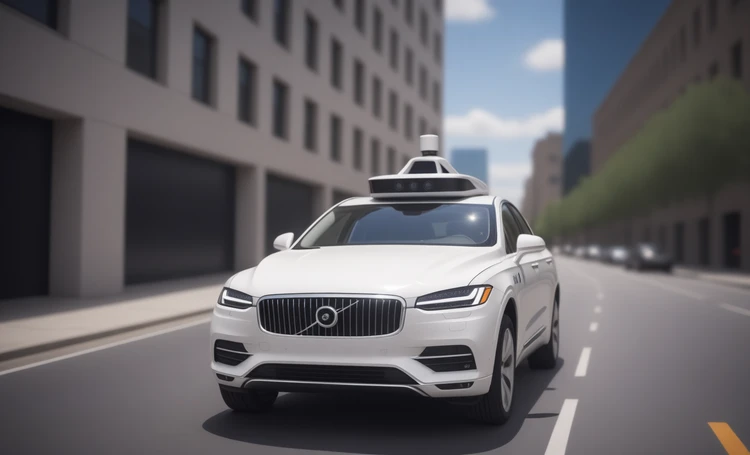
The image above shows an autonomous car that blends seamlessly into an urban environment, demonstrating the possible future integration of such vehicles.
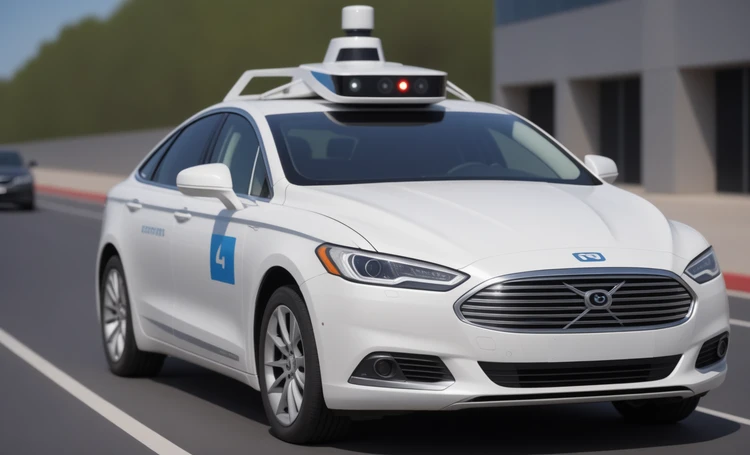
The second image focuses on the technologies that make autonomous driving possible: sensors, cameras and artificial intelligence.
Safety is one of the most important issues when considering autonomous cars. Despite the use of advanced technologies, risks cannot be completely eliminated. However, with proper management and control, autonomous cars can make roads safer.
🛡 Autonomous vehicle safety
Safety is a key concern for manufacturers and users of autonomous vehicles. These vehicles use sophisticated algorithms to process information from sensors and cameras, allowing them to make quick decisions in traffic.
Key security aspects:
- Testing and Certification: Regular and comprehensive testing of security systems.
- Creation of backup systems: To prevent failures and accidents.
- User Education: Informing public safety and proper use of autonomous vehicles.
🚗 Social changes and impact on everyday life
Autonomous cars promise not only changes in the transportation industry, but also an impact on society as a whole. They can influence the way we plan our cities and provide new opportunities for those who are currently unable to drive due to age or health conditions.
Impact on society:
- Transportation Accessibility: Increased access to transportation for seniors and people with disabilities.
- Urban planning: Rethinking the use of urban space and infrastructure.
📊 Autonomous car market analysis
To fully understand the prospects for autonomous vehicles, it is worth considering current market trends and forecasts. Data shows increasing interest and investment in this area, indicating significant market potential in the future.
Current trends and forecasts:
- Investments: Increased investment in the development and testing of autonomous vehicles.
- Regulation: Developing legislation to support the adoption of autonomous technologies.
🖼 Visualization of the future
Let's imagine what streets with autonomous cars might look like to better understand their potential impact on the future.
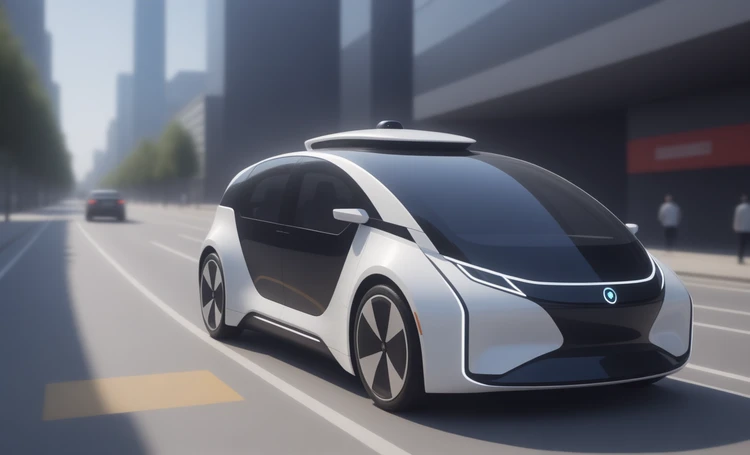
The image above shows a possible view of city streets where autonomous vehicles provide transportation services, offering a new level of mobility and comfort.
The integration of autonomous vehicles into urban environments involves not only technological changes, but also cultural ones. Cities of the future could be designed with autonomous transportation in mind, allowing for more efficient use of space and reducing pollution.
🌆City vistas with autonomous cars
Autonomous cars offer a reimagining of urban space, reducing the need for large parking lots and road infrastructure, which in turn can promote the development of green areas and public spaces.
Possible conversions:
- Reduced parking spaces: Thanks to autonomous taxis and car sharing.
- Greener cities: Reducing air pollution and increasing public green spaces.
📈 Economic aspects
Autonomous cars hold the promise of significant economic impact, including lowering the cost of transportation and creating new technology jobs.
Economic benefits:
- Reduced transport costs: Savings on the cost of owning and operating vehicles.
- New jobs: In the areas of development, testing and maintenance of autonomous systems.
🤖 Technological progress and innovation
The technological innovations behind autonomous vehicles continue to evolve. Artificial intelligence, machine learning, advanced sensors are all components of the success of autonomous vehicles.
Key innovations:
- Artificial Intelligence: Providing real-time data processing for decision making.
- Machine learning: Improving the efficiency of autonomous systems through continuous learning.
🚘 Results: The future is already here
Autonomous cars are just around the corner, and they promise to radically change the way we approach transportation, safety, and urban design. The only question that remains is how quickly are we ready to accept this future and adapt to the upcoming changes?
Final Thoughts:
- Autonomous cars represent a bold innovation that could positively impact many aspects of our lives.
- Continued research and development is needed to ensure the safety and reliability of these systems.
- Social and legislative acceptance of autonomous vehicles will play a key role in their integration into everyday life.